
Making the most of natural light: strategies for brighter, more welcoming spaces
Openings, colors, reflective surfaces and layout: design strategies for bringing more natural light into spaces.
Natural light is one of the most valued elements in architecture and interior decor. Besides being essential to well-being, it transforms spaces, making them warmer, more appealing and visually larger. But how can you optimize the amount of natural light entering a project?
1. Make the most of windows
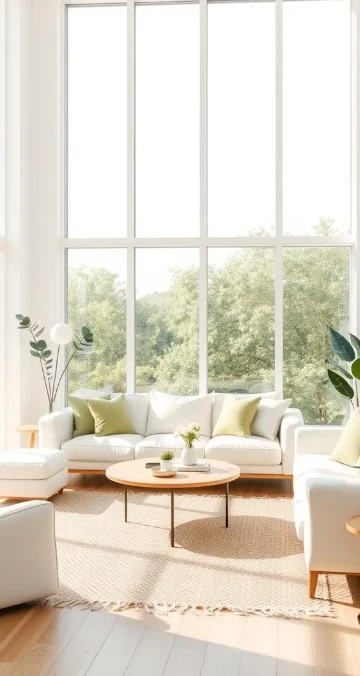
The size and position of windows are fundamental to maximizing natural light. Large windows and glass doors help connect indoors and outdoors, creating a sense of spaciousness and brightness. If possible, consider installing floor-to-ceiling windows in areas such as living rooms and gathering spaces.
2. Light wall colors
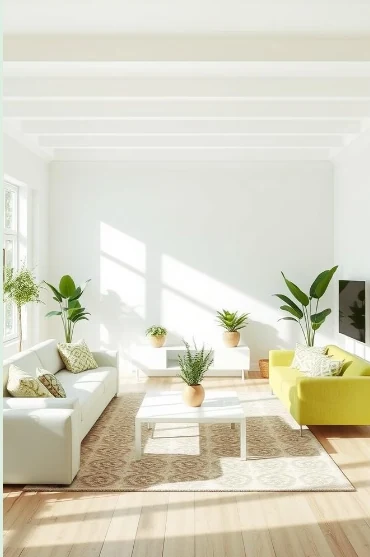
Light colors, such as white, beige and pastels, reflect natural light better, making rooms feel brighter. Light surfaces also help distribute light evenly throughout a space. One tip is to combine light walls with colorful decorative elements, such as artwork or cushions, to add personality without losing brightness.
3. Mirrors: your allies
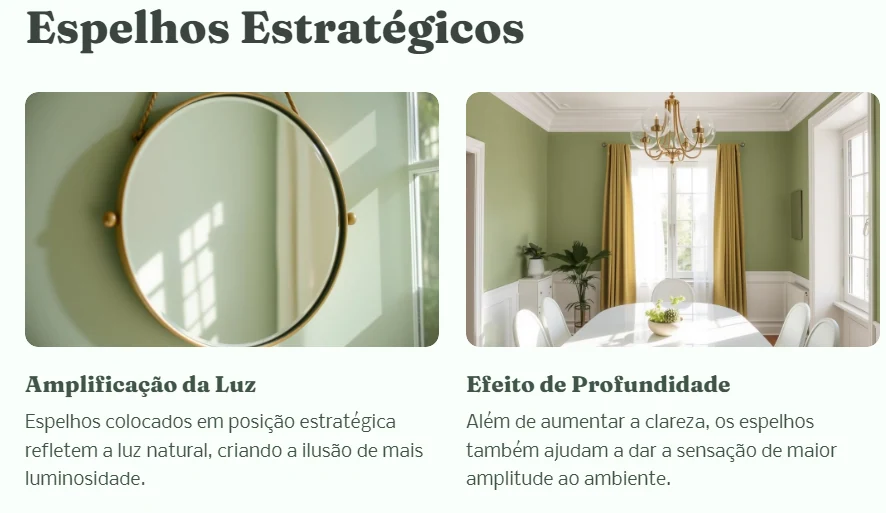
Mirrors are excellent allies for amplifying natural light. Place them on walls opposite or perpendicular to windows to reflect light and create the illusion of greater brightness. Besides increasing light levels, mirrors help add depth, making a room feel larger.
4. Lightweight, translucent curtains
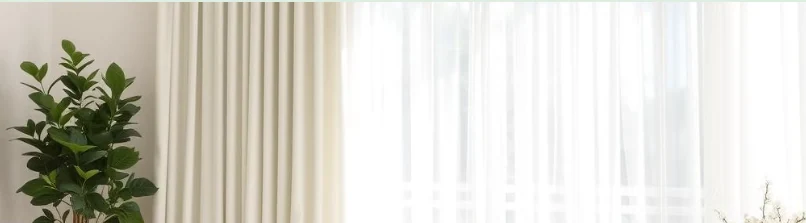
Using lightweight curtains in materials such as linen or voile is an excellent way to filter natural light without completely blocking it. They provide privacy while allowing light to diffuse gently throughout a room, creating a welcoming, relaxing atmosphere.
5. Keep the space clear
Overcrowded interiors can block the passage of natural light. Keep decor more minimalist, with furniture strategically positioned so it does not block windows and glass doors. This also creates a sense of flow and organization.
6. Glass and skylights
If the design permits, adding skylights or glass roof panels is an excellent solution for maximizing light in central areas of the home, such as kitchens and hallways. This technique also brings a modern, sophisticated touch to the project.
7. Plants and decor
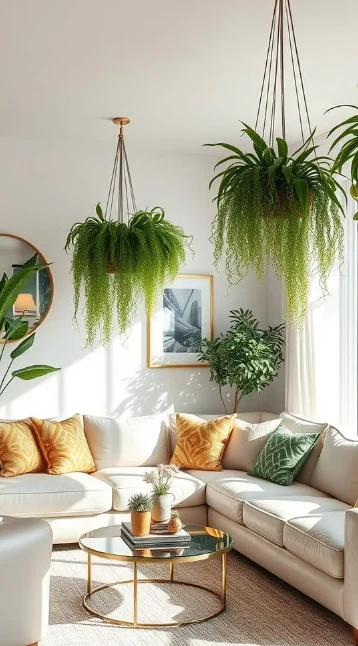
The choice of plants and decorative elements can also affect the perception of light in a room. Avoid very large plants near windows that could block light, and choose smaller or hanging plants. In the decor, elements with mirrored or metallic surfaces, such as mirrors and furniture details, help reflect and distribute light more effectively.
Conclusion
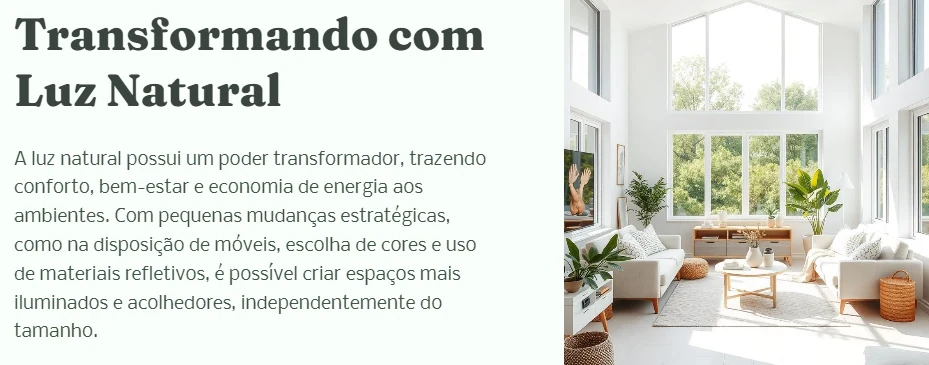
Natural light has a transformative power in interiors, providing comfort, well-being and energy savings. Small changes to furniture arrangement, color choices and strategic materials can create brighter, more welcoming spaces. Whatever the size of your room, there is always a way to bring more natural light inside.