
Integrated interiors: tips for designing multifunctional spaces
Clearly defined functions, custom cabinetry, subtle partitions and clear circulation: how to integrate spaces without losing comfort.
With growing demand for space optimization, particularly in smaller apartments and homes, integrated interiors have become an essential trend in architecture and interior design. Designing multifunctional spaces goes beyond joining rooms; it means creating intelligent solutions that promote flow, functionality and visual harmony without sacrificing comfort. In this article, we explore tips for turning your interior into an integrated, practical space.
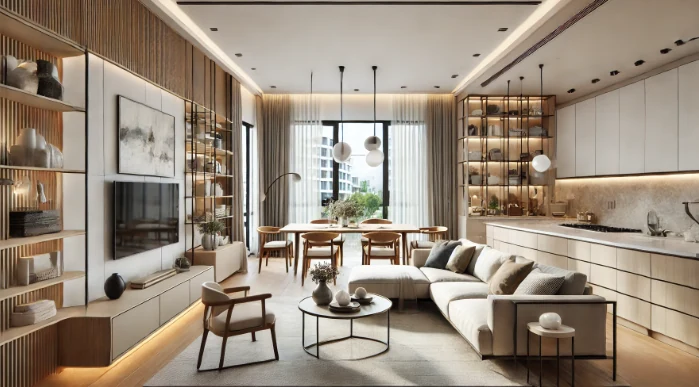
1. Define each area's functions
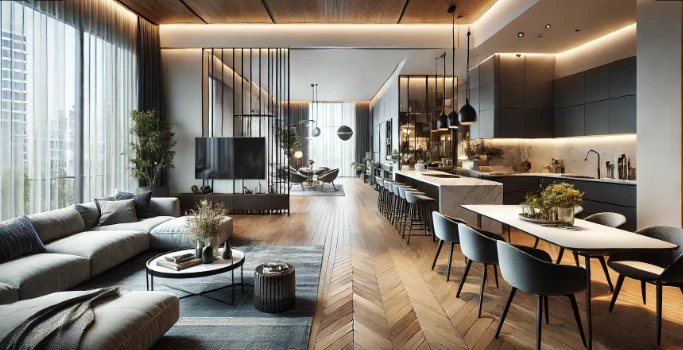
Before integrating rooms, it is fundamental to identify the functions each space needs to perform. A classic example is combining the living room, dining room and kitchen into one continuous social area. Understanding each area's needs allows you to plan furniture arrangement and circulation.
2. Invest in multifunctional furniture
Custom and multifunctional furniture are essential allies in integrated interiors. Sofas that turn into beds, folding or extending tables, and cabinets with multiple functions help save space without compromising style. Tailored furniture is also perfect for meeting each setting's specific needs, contributing to a unified aesthetic.
3. Use intelligent partitions
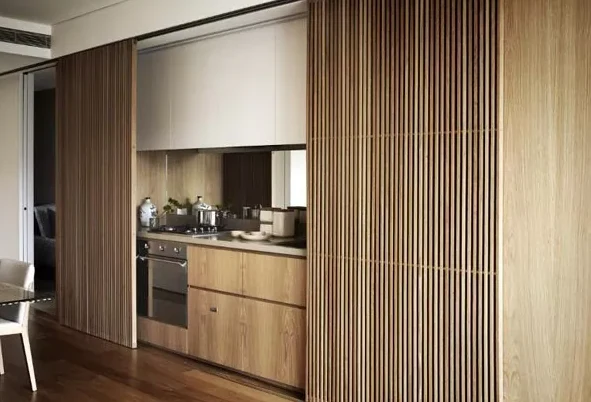
When necessary, create subtle divisions between rooms without compromising their integration. Open shelving, folding screens or sliding panels are excellent options for defining areas without blocking light or interrupting the flow. Glass partitions can also maintain visual integration while creating a functional separation between spaces.
4. Choose strategic lighting
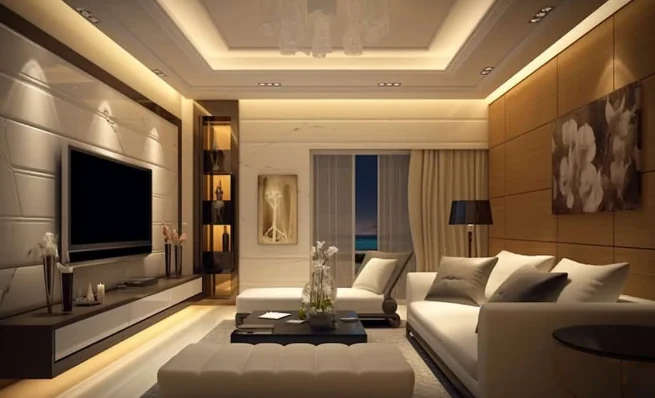
Lighting is crucial to integrating interiors. Use different types of light to highlight each area's functions. Stronger lighting can be used in the kitchen, while softer, diffused light can create a cozy mood in the living room. Installing recessed fixtures, adjustable spots and pendant lights also helps define spaces.
5. Choose coherent colors and materials
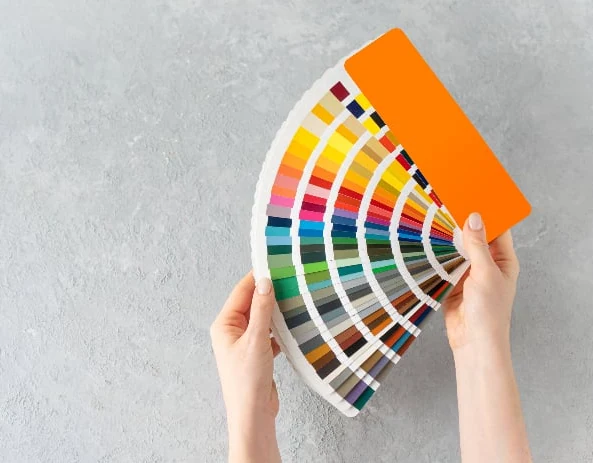
To ensure visual harmony between integrated rooms, choose a unified color palette and materials that work together. This does not mean every room needs to look the same, but smooth transitions are helpful. Materials such as wood, neutral porcelain tiles or finishes with similar textures help create this continuity.
6. Prioritize circulation
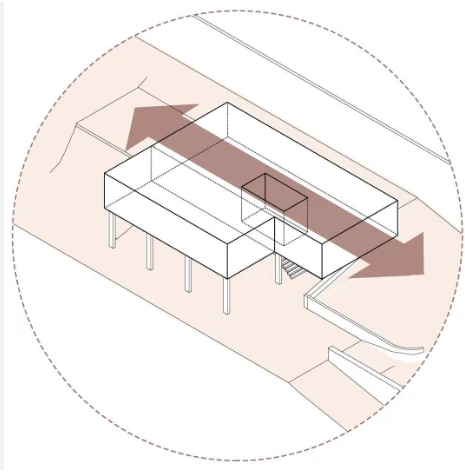
Multifunctional interiors need to be practical, and circulation should always take priority. Avoid excessive furniture or objects that obstruct movement between rooms. Choose minimalist solutions that keep the space open and functional, ensuring it remains comfortable and organized.
7. Bring nature inside
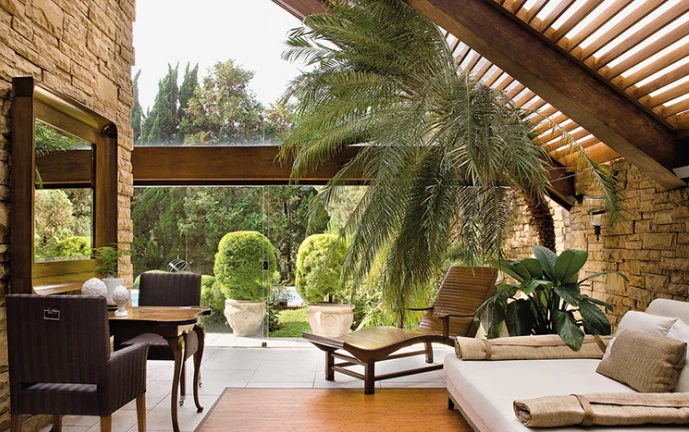
Integrated interiors can be enhanced further with natural elements such as plants and indoor gardens. Strategically placed pots or even a vertical garden help make a space more welcoming, adding freshness and well-being.
Conclusion
Integrating multifunctional interiors is both a practical solution for making better use of space and a way to create more dynamic, flexible settings. With careful planning and the right choices of furniture, lighting and materials, you can transform your home into a flowing, harmonious space that meets everyday needs with style and functionality.