
How to create a vegetable garden in your apartment: a step-by-step guide to growing vegetables and herbs
Choosing plants, location, watering and care: a step-by-step guide to growing vegetables and herbs at home.
Having a vegetable garden at home, even in an apartment, is easier than you might think. Besides being a sustainable way to keep fresh herbs and vegetables on hand, growing a garden brings well-being and can transform a space. Read on to learn how to create your own garden in a few steps, from choosing plants to essential care.
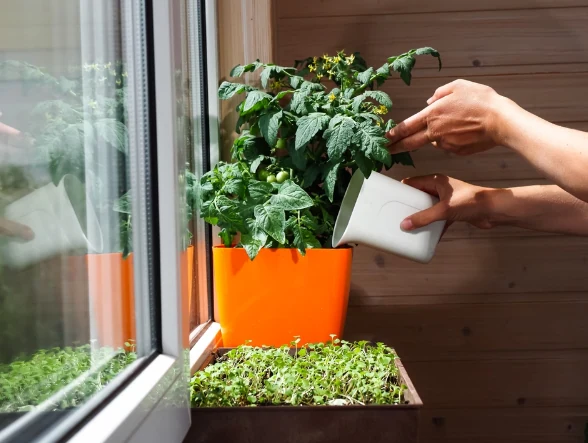
1. Choosing plants
Not all plants adapt well to apartment growing, so it is important to choose species that thrive in small spaces and indirect light. Here are some suggestions for beginners:
- Herbs: Rosemary, mint, basil, parsley and chives are ideal for beginners. Besides being easy to care for, they are very useful in the kitchen.
- Vegetables: Lettuce, arugula and spinach can be grown in larger pots, provided there is enough room for their roots to grow.
- Fruit: Strawberries and cherry tomatoes are also interesting options for a compact garden.
2. Where to put your garden
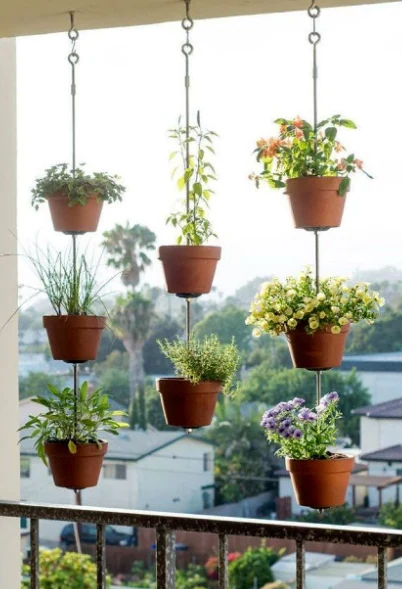
Choosing a location is crucial to your garden's success. Plants need light, and most will thrive in areas that receive 4 to 6 hours of indirect sunlight a day. Here are some ideal places for your garden:
- Windows: Placing pots near a window that receives natural light is best. If your apartment does not get much light, consider investing in grow lights.
- Balconies: If your apartment has a balcony, it is the perfect place for your garden. You can use vertical shelving to make the most of the space.
- Kitchen: For those with limited space, the kitchen is a good option for plants such as herbs, keeping them within reach for daily use. Hanging pots or planters on countertops are practical alternatives.
3. Watering and drainage
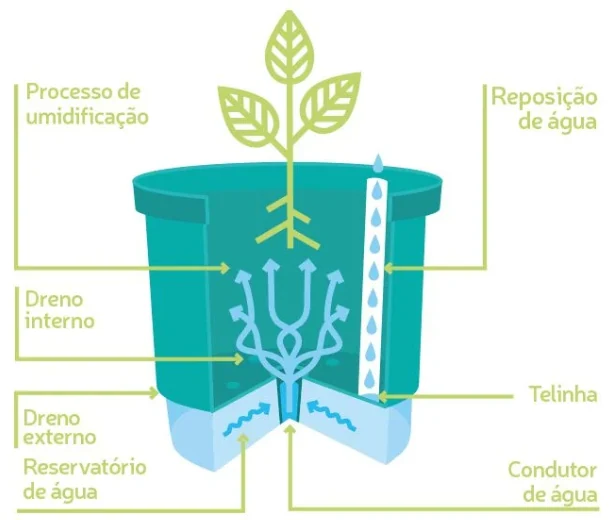
Keeping your garden well watered is essential, but it is important not to overwater. Follow these tips for efficient watering:
- Pots with drainage: Make sure your pots have drainage holes in the bottom to prevent water buildup, which can cause root rot.
- Moderate watering: Most potted plants need watering 2 to 3 times a week, but this depends on the temperature and humidity. Check soil moisture with your finger before watering. If it is dry to a depth of 2 cm, it is time to water.
- Self-regulating system: For those with little time, automatic watering systems, such as pots with water reservoirs, are a good alternative. They keep plants hydrated for longer, requiring less maintenance.
4. Essential care
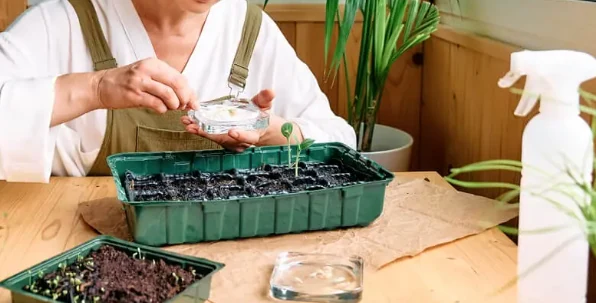
Besides choosing the location and watering correctly, some extra care is important to keep your garden healthy:
- Soil: Use a growing medium suitable for vegetable gardens, preferably a mix of topsoil with compost or worm castings. This ensures your plants receive the nutrients they need.
- Fertilizing: Even in an apartment, your plants will need extra nutrients from time to time. Use organic fertilizer, such as ground eggshells, coffee grounds or liquid fertilizers diluted in water.
- Regular pruning: To keep plants productive, regular pruning is important. Cut old leaves and branches to make room for new shoots.
- Pest control: Pests can appear even indoors. Watch for insects and, if necessary, apply natural solutions such as neem oil to control them.
5. Extra tips
- Rotating pots: Turn pots from time to time so all parts of the plant receive equal light, ensuring balanced growth.
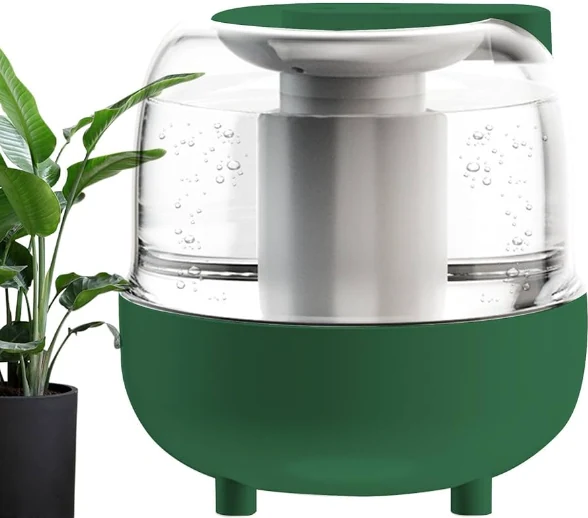
- Humidifiers: In very dry environments, especially in winter, humidifiers can help keep plants hydrated.
- Companion planting: Planting complementary species is a great strategy for optimizing space and increasing productivity. For example, basil and tomatoes grow very well together.
Growing a vegetable garden in an apartment is not only possible; it can be a delightful experience. Besides providing fresh, healthy food, plants bring more life and well-being into the home. Now that you know where to start, why not choose your favorite plants and create a green corner in your space?