
The evolution of digital architecture: how technology impacts modern projects
BIM, 3D modeling, virtual reality and artificial intelligence: how digital tools have changed the way we conceive, design and build.
Architecture has been a constantly evolving field throughout history, and the advent of digital technology has sparked a true revolution in the sector. Digital tools such as Building Information Modeling (BIM), 3D modeling and augmented reality have profoundly changed how architects conceive, design and realize their ideas. This article explores the impact of these technological innovations on modern projects, offering a broad view of architecture's digital evolution and its implications for the future of the profession.

Digital transformation in architecture
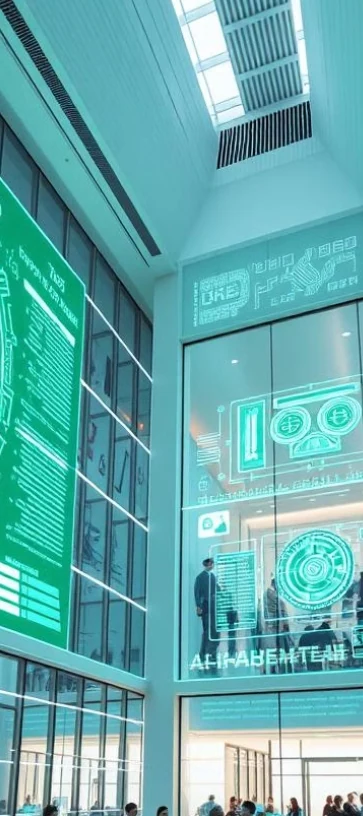
Digital transformation in architecture began with the introduction of computer-aided design (CAD) software in the 1980s, replacing physical drawing boards with screens and mice. This marked the start of an era in which designs could be developed more quickly, efficiently and accurately. However, the real leap came in the last two decades with the emergence of more sophisticated tools such as BIM and parametric modeling.
BIM: the future of collaboration and efficiency
BIM is more than a simple three-dimensional modeling tool; it integrates data from every phase of a building's life cycle, from initial design to construction and maintenance. With BIM, professionals can simulate a building's performance, forecast costs and address potential problems before construction even begins. A clear example is the use of BIM in the design of China's iconic Shanghai Tower. BIM enabled the architects to create an energy-efficient building by monitoring its performance throughout the construction process.
By facilitating collaboration among different professionals, such as engineers, architects and builders, BIM has helped reduce errors and rework, optimizing construction time and costs. The BIM Handbook (Eastman et al., 2018) highlights how this technology can reduce the cost of complex projects by up to 20%, as well as drastically reducing the need for on-site changes.
3D modeling: precision and creativity
3D modeling has revolutionized how architects visualize and present their designs. With programs such as SketchUp, Rhino and Revit, professionals can create extremely detailed simulations of their projects, allowing clients to better understand a proposal before it is built. In addition, 3D modeling enables the development of more complex forms, expanding creative freedom.
A notable example is the Guggenheim Museum Bilbao, designed by Frank Gehry. The complexity of the building's curved, futuristic forms was only possible through 3D modeling and advanced design software such as CATIA. Gehry used technology to turn seemingly impossible concepts into reality, proving that digital modeling can push beyond architecture's traditional boundaries.
Augmented and virtual reality: immersion in the design

Another important innovation in digital architecture is the use of augmented reality (AR) and virtual reality (VR). These technologies are becoming indispensable tools for allowing clients to step inside their future spaces before they are built. Using VR, clients can explore a design virtually, providing more precise feedback and helping adjust details to their needs and expectations.
A striking example was the construction of Tottenham Hotspur's new stadium in London. Using virtual reality, the architects were able to make significant design adjustments based on stakeholders' impressions, optimizing the end user's experience before construction even began.
Artificial intelligence and machine learning in architecture

Alongside established digital tools, artificial intelligence (AI) and machine learning are also beginning to influence architecture. These systems can analyze large amounts of data and propose optimized solutions for building design, energy efficiency and sustainability. For example, AI can predict how different design elements, such as window placement and material choices, may affect energy consumption over time, allowing architects to make adjustments that benefit the environment and reduce operating costs.
Conclusion
The evolution of digital architecture is transforming how projects are conceived and delivered. With tools such as BIM, 3D modeling, augmented reality and artificial intelligence, modern architecture is becoming more efficient, collaborative and innovative. This technological revolution simplifies the design process while also offering new opportunities for creativity and sustainability, shaping the future of the profession.
As technology advances, architects will have increasing access to tools that enable them to create more complex, functional buildings connected to the needs of the modern world. Digital architecture is more than a trend; it is the future of construction and design.