
Predominant architectural styles in Belo Horizonte
From Art Deco to Niemeyer's modernism and contemporary influences: the styles that shape the identity of Minas Gerais's capital.
Belo Horizonte is a city distinguished by its rich architectural diversity, the result of its urban evolution and the influence of different movements over the years. Planned to be modern from its founding, the capital of Minas Gerais has an architectural legacy that blends the traditional with the contemporary, offering a vibrant setting for those who appreciate design and history. In this article, we explore the predominant architectural styles that have shaped and continue to shape BH's urban landscape.
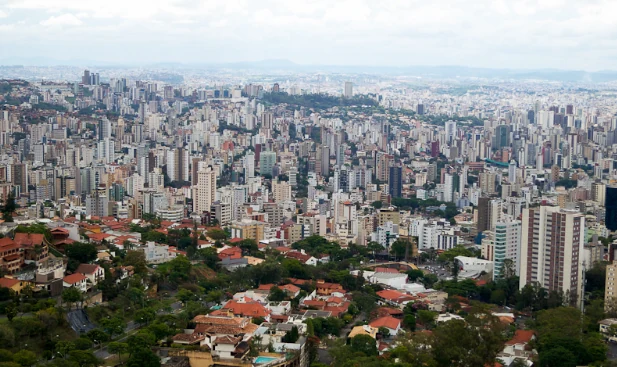
1. Modernism
One of Belo Horizonte's most distinctive styles is modernism, strongly influenced by Oscar Niemeyer, who played a fundamental role in developing iconic projects in the city. Pampulha, with its modernist works, is an excellent example of this period. The Pampulha Architectural Complex, comprising buildings such as the Igreja de São Francisco de Assis and the Museu de Arte da Pampulha, is a landmark of modernism, characterized by curved lines, innovative use of reinforced concrete and the integration of architecture and landscape.
Modernism in BH sought to break with traditional architectural styles, proposing a cleaner, more functional, forward-looking aesthetic. The movement influenced public buildings as well as the development of residential areas in the city.
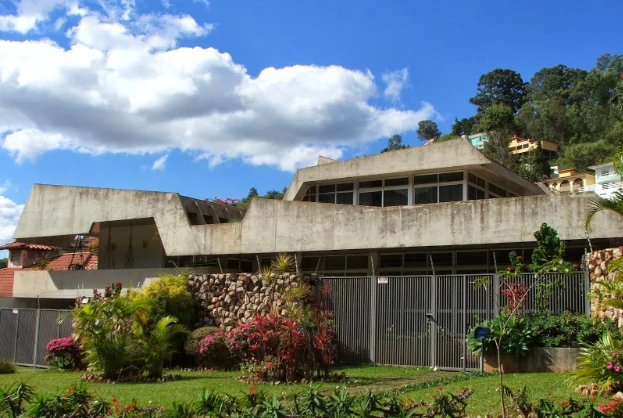
2. Art Deco
Another style that left its mark on Belo Horizonte was Art Deco, particularly during the first decades of the 20th century. Characterized by geometric forms, straight lines and stylized ornamentation, Art Deco can be seen in various downtown buildings, such as the famous Edifício Acaiaca. This architectural style reflects the optimism and desire for progress that swept through major cities at the beginning of the last century.
The Edifício JK, one of the city's largest residential complexes, also features Art Deco influences mixed with modernism, reflecting the transition between styles in the middle of the century.
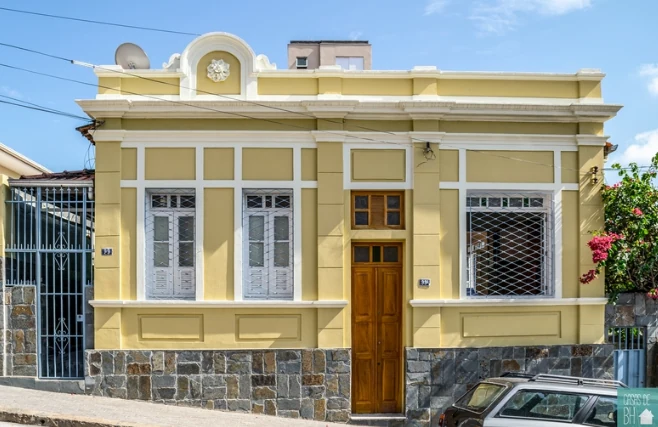
3. Colonial and neocolonial
Before Belo Horizonte was planned as the new capital of Minas Gerais, many cities in the state were influenced by Portuguese colonial architecture. Although the city was conceived as modern from the outset, some areas preserve neocolonial buildings, which revive elements of colonial architecture in a reinterpretation adapted to an urban context. One example is the Palácio da Liberdade, which combines neoclassical elements with colonial features to form a unique identity.
This style, marked by gabled roofs, wrought-iron ornamentation and the use of local materials, reflects nostalgia for the past and an attempt to maintain a connection with Minas Gerais's roots.
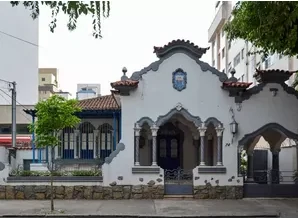
4. Contemporary
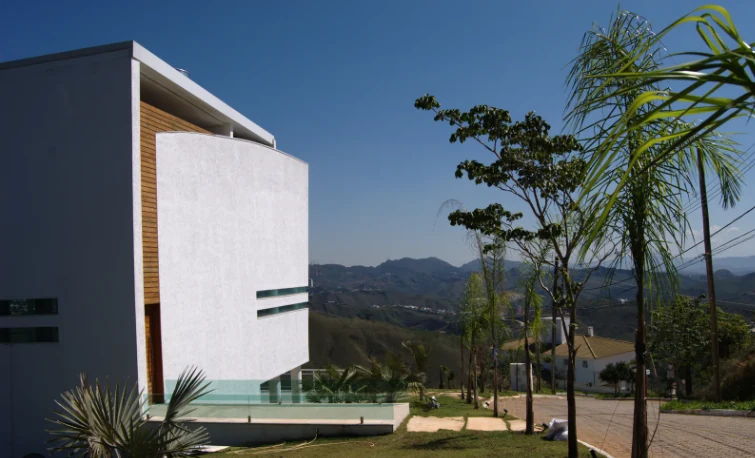
Today, Belo Horizonte also stands out for its contemporary design, reflecting the dynamism and innovation of the 21st century. Local architects have invested in projects that integrate sustainability, technology and minimalist aesthetics, always considering the landscape and residents' lifestyles.
Residential and commercial developments adopt cleaner lines and extensive use of glass, steel and exposed concrete, seeking to maximize the connection between outdoors and indoors. Projects such as Boulevard Shopping and corporate buildings in the Savassi area show how contemporary style is reshaping the city's skyline.
5. Eclectic
Eclecticism also has its place in Belo Horizonte. This style, which combines elements from different architectural movements, is evident in the city's historic buildings, such as the UFMG School of Engineering building on Avenida do Contorno. Here, we see a mix of neoclassicism, with columns and ornamental details, alongside modernist influences, creating a dialogue between past and present.
Conclusion
Belo Horizonte's architectural landscape is a true collage of styles, reflecting both the city's evolution and the different cultural and historical influences that have shaped its identity over time. From Niemeyer's bold modernism to the charm of Art Deco and the elegance of neocolonial architecture, BH offers a rich and diverse architectural panorama that continues to inspire new projects. Walking through the city's streets, you can appreciate the convergence of these different eras and see how past and present meet on every corner.
This melting pot of styles makes Belo Horizonte a fascinating place to explore the history of Brazilian architecture, as it continues to evolve in response to contemporary challenges and demands.