
Sustainable architecture: trends that are here to stay
Recycled materials, green technologies, biophilia and modularity: the trends redefining sustainable architecture.
Architecture is undergoing a quiet revolution. As the world faces environmental challenges, demand for more sustainable buildings is growing. In 2024, we will see new approaches that respect the environment while also offering residents a better quality of life.
Sustainable and recycled materials
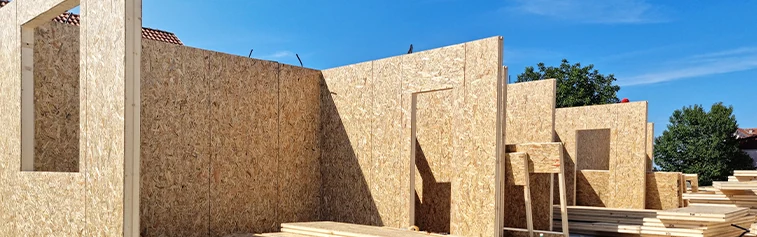
The use of recycled materials, such as reclaimed wood, eco-friendly bricks and even green concrete, is growing. As well as helping reduce environmental impact, these materials bring personality and originality to projects.
Energy efficiency and green technology

Homes and buildings are becoming smarter, using technologies that reduce energy consumption, such as solar panels, water reuse systems and LED lighting. The integration of home automation is also becoming increasingly popular, allowing more efficient control over resource use.
Biophilia: a connection with nature
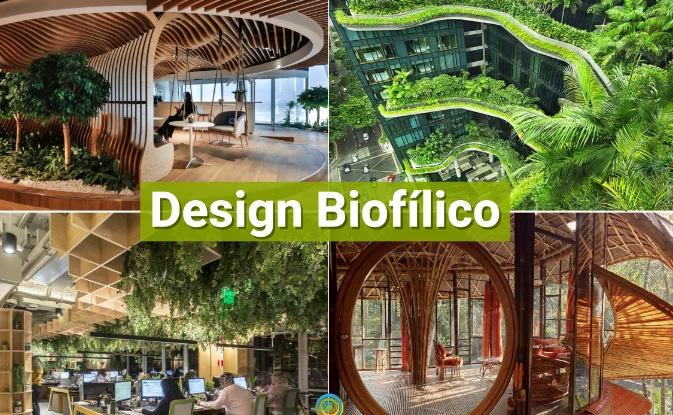
Biophilic design, which integrates natural elements into interiors, is becoming a dominant trend. Plants, vertical gardens and spaces designed to maximize natural light contribute to occupants' well-being and a more balanced design.
Modularity and flexibility in design
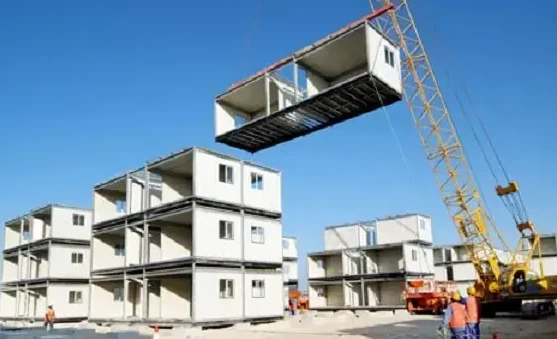
With modern life constantly changing, flexibility has become essential. Modular architecture and spaces that can be easily adapted are on the rise, giving projects a longer lifespan and avoiding frequent renovations and wasted resources.
Conclusion
Sustainable architecture is no longer a passing trend but a necessity shaping the future. In 2024, more than ever, projects incorporating ecological practices will stand out, offering a more mindful life in harmony with the planet.